

Description
Sodium benzoate
Chemical Name: Sodium benzoate
CAS No.: 532-32-1
Molecular Fomula: C7H5NaO2
Chemical Structure:
Molecular weight: 144.10317
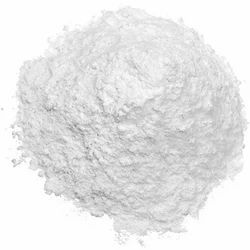
Appearance: White powder
Assay: 99%min
Sodium benzoate Typical Properties
| Content % | 99.0 min | 99.25 |
| Loss on drying % | 2.0 | 1.5 |
| The Acid Alkalinity | ≤0.2ml | <0.2ml(on the principle of 0.1mol/l NaOH) |
| Colour of Solution | Y6 | Y6 |
| Chlorides % | ≤0.02 | ≤0.02 |
| Total Chlorine % | ≤0.03 | ≤0.03 |
| Heavy Metal(as Pb) | ≤0.001 | ≤0.001 |
| Arsenic % | ≤0.0003 | ≤0.0003 |
| Mercury % | ≤0.0001 | ≤0.0001 |
| Oxide | Meets the requirement | Meets the requirement |
Assay: 99% min
Appearance: White powder
Package: 25kg/bag
Keep in dry and cool place.
Sodium benzoate powder (C₇H₅NaO2) is a highly soluble, odorless, and white crystalline powder widely used as a preservative in food, cosmetics, and pharmaceuticals. It prevents the growth of harmful bacteria, mold, and yeast, extending the shelf life of acidic products.
Key Applications
-
- Food & Beverages: Found in carbonated drinks, fruit juices, pickles, jams, and salad dressings. It is most effective in acidic environments (pH below 4.5).
- Cosmetics & Personal Care: Acts as an antimicrobial agent to keep lotions, creams, shampoos, and baby wipes safe from spoiling.
- Pharmaceuticals: Used as a preservative in medications and cough syrups.
Usage and Safety Guidelines
- Regulatory Limits: The FDA limits sodium benzoate to a maximum of 0.1% concentration by weight in foods and beverages.
- The Benzene Risk: It should never be mixed with ascorbic acid (Vitamin C) in the presence of heat or light, as this combination can form benzene, a known carcinogen.
- Packing 25kg avaible

Recenzije
Još nema komentara.